What to Bring and How to Prepare
Proper footwear, clothing, and gear recommendations for staying comfortable on longer walks. Don't let the weather catch you unprepared.
Getting Ready for Your Visit
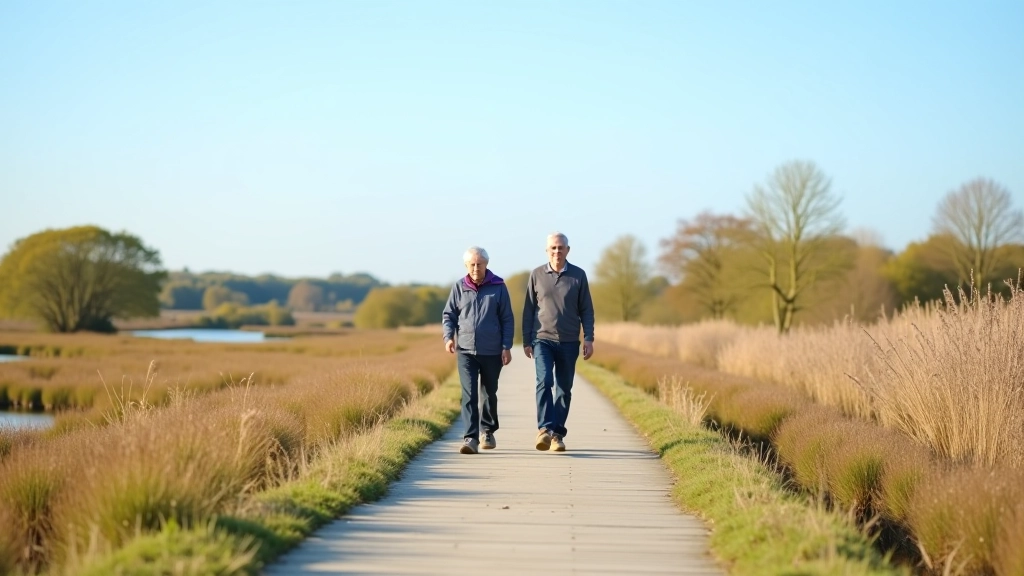
The boardwalk at Lullymore is a gem, but you'll want to dress for Irish weather — it changes fast. We're talking sudden wind, drizzle that comes out of nowhere, and temperatures that feel different depending on the time of year. Most people underestimate what they need. You'll see folks in trainers and light jackets getting uncomfortable after 20 minutes. That's not how it should go.
Here's what actually works. We've talked to hundreds of walkers who've done the trails, and the pattern's always the same. The right gear makes the difference between a great morning and a miserable one. It's not about expensive equipment — it's about understanding what the wetland environment demands.
Footwear: The Foundation
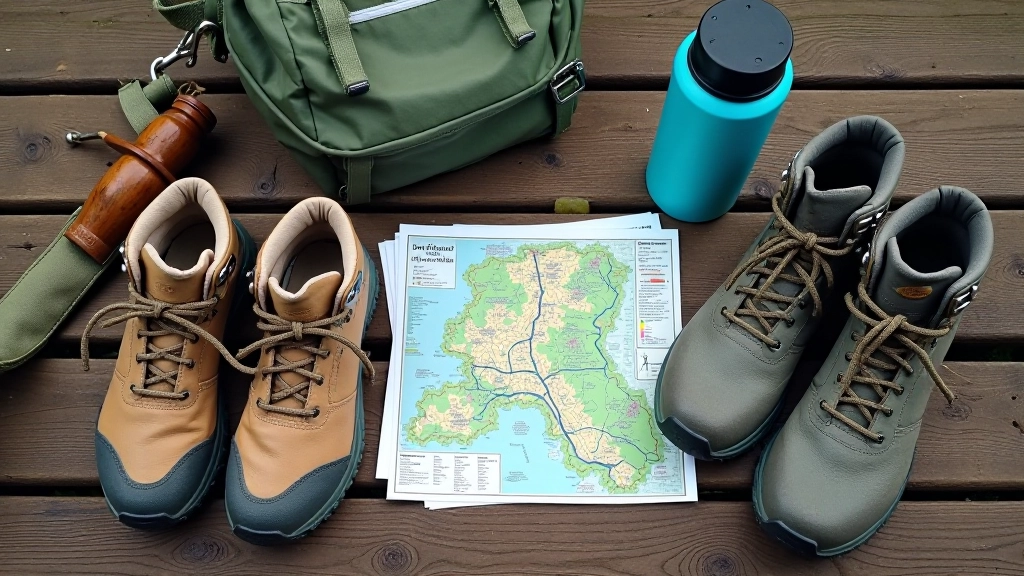
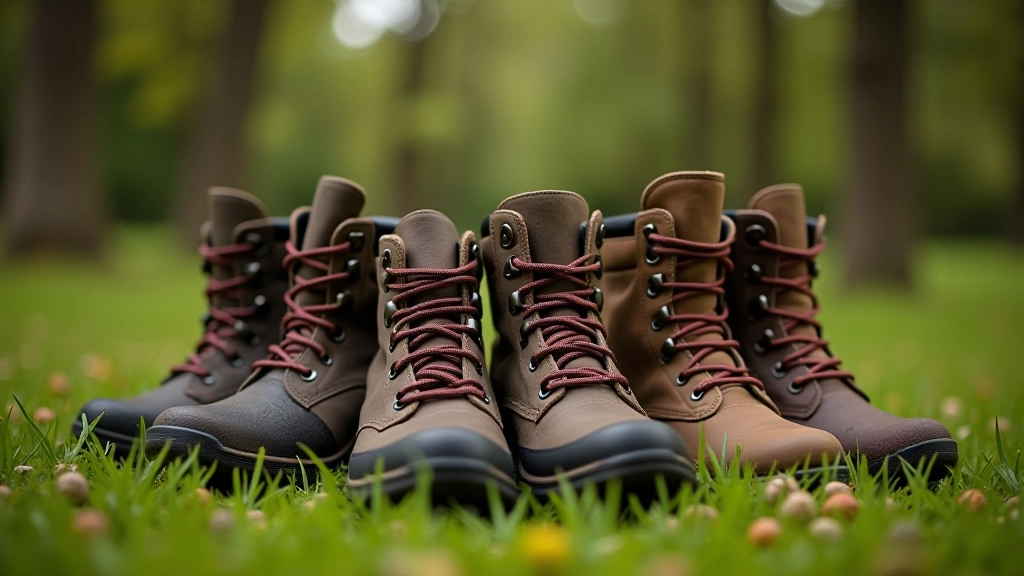
This is where most people go wrong. The boardwalk's wooden surface can get slippery when wet, and the ground beside it is soft peat and marsh. You need shoes with genuine grip and ankle support — not just comfort, but stability.
What works best:
- Waterproof walking boots with rubber soles. Brands like Scarpa, Meindl, or even decent Decathlon boots will do the job.
- Sole tread pattern matters — you want deep treads, not smooth rubber. Think hiking boot, not trainer.
- Ankle support prevents twists on uneven ground. High-top boots give you that stability.
- Waterproofing is non-negotiable. The dew alone will soak regular shoes by the halfway point.
Bring a spare pair of socks. Seriously. If your feet get damp, a dry pair changes everything. Merino wool socks are ideal — they stay warm even when slightly wet, unlike cotton.
Layers: Your Weather Insurance
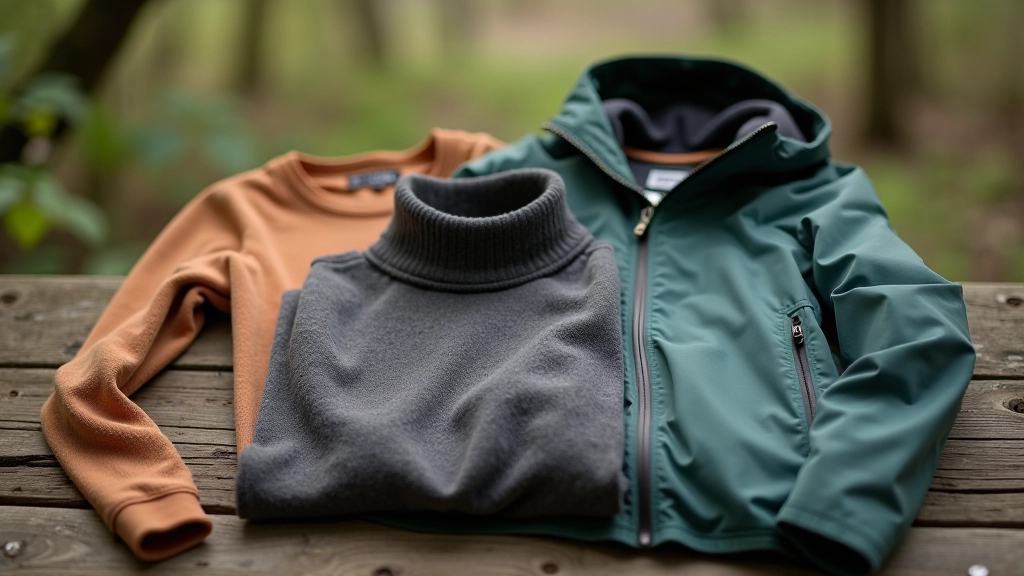
You'll hear this everywhere because it's the only system that actually works. The boardwalk's exposure means wind can make a 12°C morning feel like 8°C. Layers let you adjust without carrying a heavy rucksack.
Base Layer
Thermal or merino wool top. Cotton holds moisture — avoid it. You want something that wicks sweat away from your skin. A good base layer costs €25-40 and lasts years.
Mid Layer
Fleece or wool sweater. This is your insulation. A lightweight fleece jacket (around €30-50) is ideal — it's packable, warm, and doesn't add bulk. Brands like Regatta or Craghoppers have good options.
Outer Layer
Waterproof jacket. Not water-resistant — waterproof. You need something that'll handle actual rain. Look for taped seams and a hood that fits over a hat. Budget €60-100 for something that'll last.
Don't overdress on warmer days. Start cool. You'll warm up after 10 minutes of walking, and you don't want to be shedding layers within 100 meters. On winter visits, consider thermal leggings too — leg warmth matters more than most people realize.
Essential Accessories
Hat
Wind and sun both need managing. A wide-brimmed hat protects your face and keeps rain out of your eyes. Merino or synthetic — avoid cotton caps that absorb moisture.
Gloves
Even in spring and autumn, hands get cold quickly. Lightweight wool or synthetic gloves that let you use your phone are ideal. Avoid thick ski gloves — you need dexterity.
Water Bottle
A 500ml bottle is enough. The walk's about 90 minutes, and you don't need massive hydration. Keep it lightweight — a small insulated bottle keeps drinks at decent temperature.
Small Rucksack
20-30 liters is plenty. You want to carry layers, water, and a basic first aid kit without straining your shoulders. Look for padded straps and hip belts for weight distribution.
Compact Umbrella
Waterproof jacket's usually enough, but a small brolly gives you extra cover and breaks the wind. They're light, pocket-sized, and genuinely useful on drizzly days.
Map or Phone
The boardwalk's well-marked, but having a map or the Lullymore app on your phone gives you confidence. Download offline maps before you go — signal can be spotty.
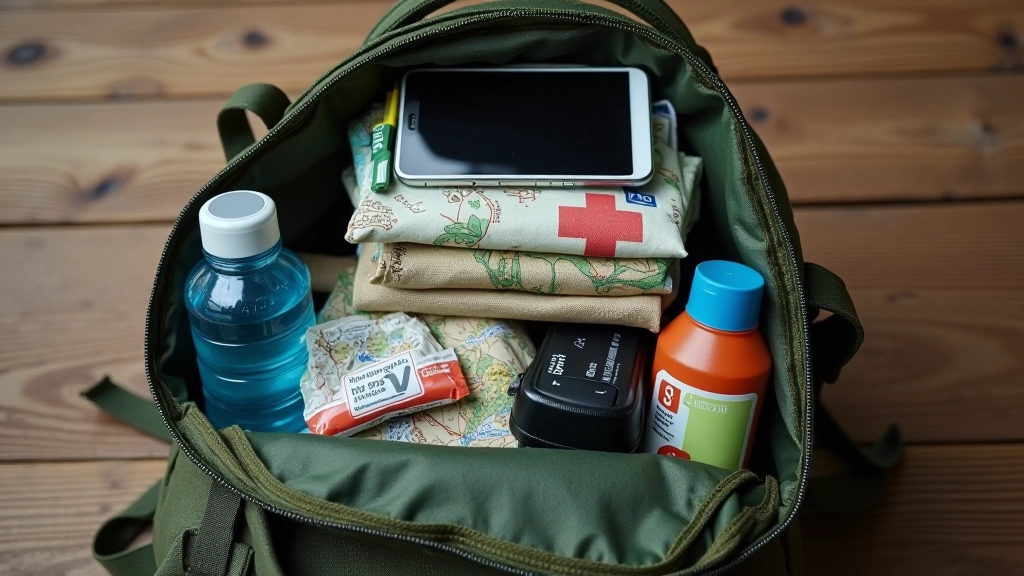
What Actually Goes in Your Bag
You don't need much. This isn't an expedition — it's a morning walk. But you'll want these items because conditions change and minor issues become major ones without them.
Important Note
This article provides educational information about preparing for walks at Lullymore Heritage Park. Everyone's needs are different — physical fitness, health conditions, and personal preferences all affect what you'll need. We recommend consulting with your doctor before undertaking any new walking routine, especially if you have existing health concerns. The information here is based on typical conditions and feedback from regular walkers, but weather and trail conditions vary. Always check current conditions before your visit and bring any personal medical items you require.
The Real Truth
You don't need expensive gear. You need the right gear. A €100 investment in decent boots and a waterproof jacket will last years and make every walk better. The boardwalk's accessible and friendly, but it's still an outdoor environment. Preparation isn't about being overly cautious — it's about removing the barriers between you and enjoying yourself.
Most people who've had poor experiences on the trails came unprepared. That's not a character flaw — it's just underestimating what Irish weather demands. Plan properly, pack sensibly, and you'll have a brilliant morning. The views, the wildlife, the peace of it — it's all worth the bit of preparation.
Bring your layers, good boots, and a positive attitude. Everything else follows from there.